


28/07/2026 09:36 - Internacionales
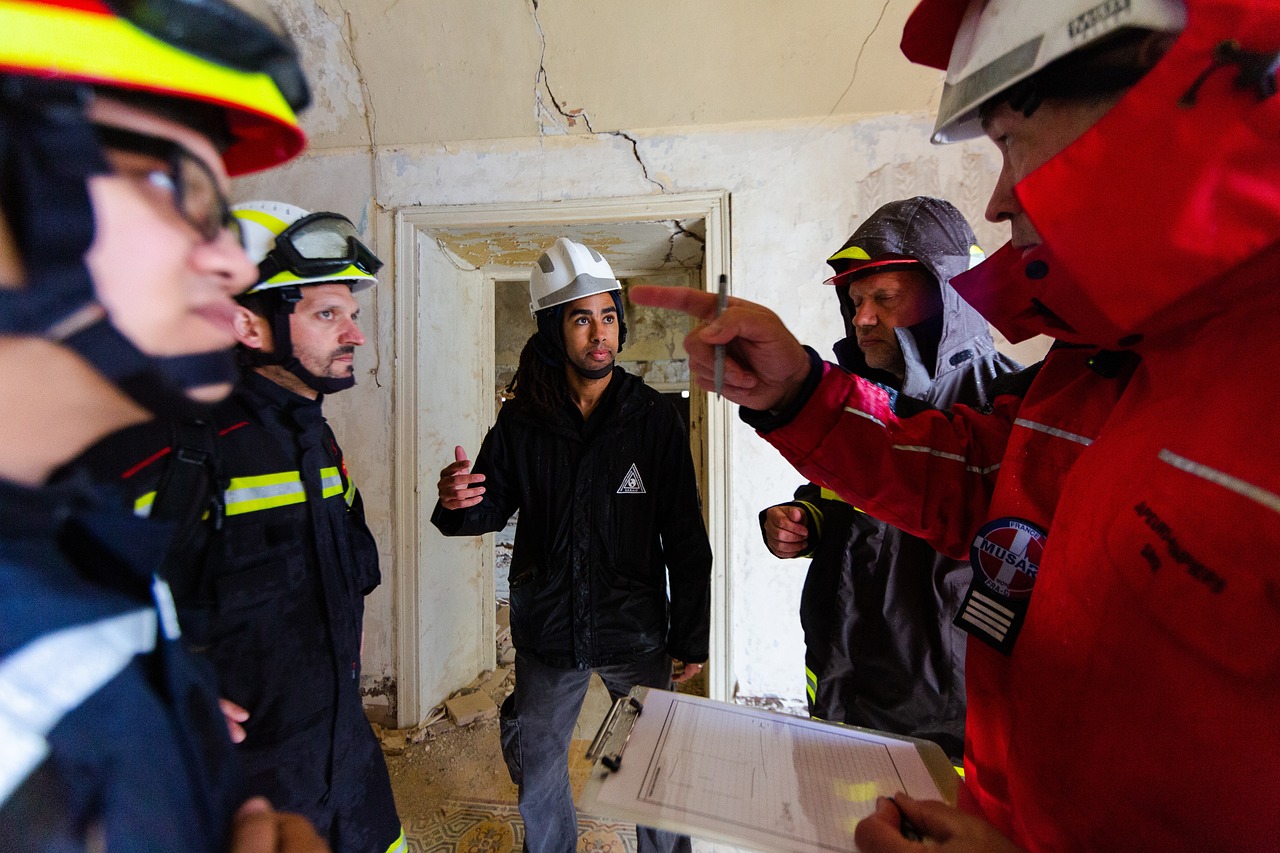
The earthquake struck at 4:27 p.m. local time on July 28, 2026, at a shallow depth of 10 kilometers. The Japan Meteorological Agency (JMA) initially issued a tsunami warning for coastal areas of Kyushu, predicting waves up to 1 meter, but later lifted it. A strong aftershock of magnitude 6.1 followed at 5:08 p.m.
At least 50 people were injured, including a dozen from a nursing home, according to local hospitals. The Aeon Mall shopping center in Kumamoto partially collapsed and caught fire, trapping several people inside. Firefighters and rescue teams worked through the night. Other buildings collapsed, and large cracks appeared on elevated highways. A freight train derailed, and the Kumamoto Airport was closed for safety inspections.
The quake knocked out power to 40,000 to 48,000 homes and cut gas supply to 500 households. High-speed shinkansen trains were suspended, and telecom services from KDDI and Docomo were temporarily interrupted. Major companies like TSMC and Sony evacuated their factories in the region as a precaution, but reported no structural damage. The Sendai and Genkai nuclear power plants were unaffected, easing fears of a nuclear incident.
Prime Minister Sanae Takaichi addressed the nation from Tokyo, stating, 'We are still assessing the extent of injuries and property damage.' Government spokesman Minoru Kihara confirmed that police, fire, and military helicopters were conducting aerial surveys. Authorities warned residents to stay alert for aftershocks and landslides for at least a week.
Japan sits on the Pacific Ring of Fire, a horseshoe-shaped zone of intense seismic and volcanic activity. The country experiences about 20% of the world's earthquakes of magnitude 6.0 or greater. In 2016, a magnitude 7.0 quake in the same Kumamoto region killed 275 people and injured thousands. Japan's strict building codes and rapid emergency response systems are designed to minimize casualties, but the threat remains constant.

Alfredo S. Quiroga
