


30/07/2026 09:27 - Politica
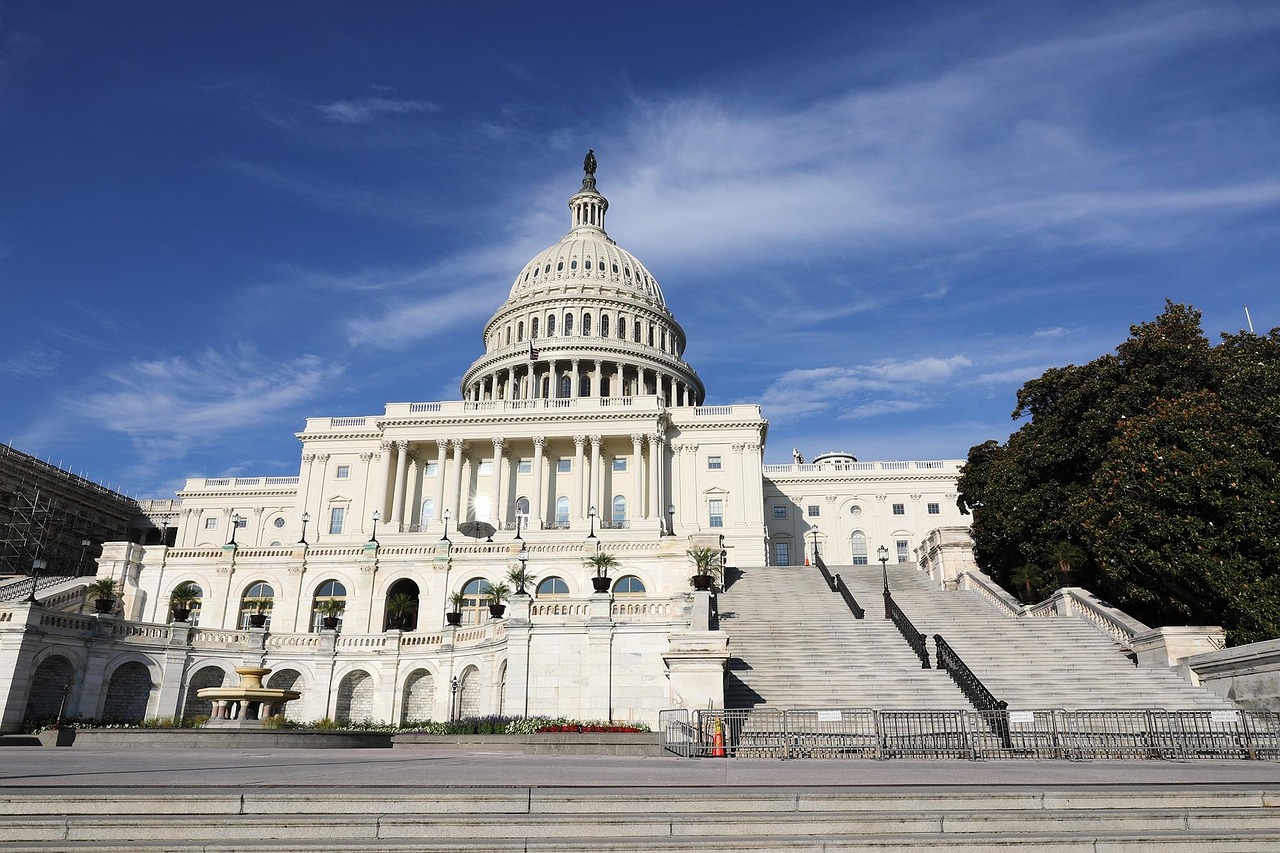
Thursday, August 6, 2026, will be a pivotal day for the government of Javier Milei. On that day, the Senate will resume its session to vote on the partial approval of the Law on the Inviolability of Private Property. According to El Destape, the ruling coalition needs at least 37 votes to pass the bill.
The head of the La Libertad Avanza (LLA) bloc, Patricia Bullrich, expressed confidence that the law will pass, though negotiations continue. The bill, also championed by Minister Federico Sturzenegger, was put on hold in July due to lack of consensus, right after Argentina's victory in the 2026 FIFA World Cup and the controversy over the Malvinas flag.
The following legislators are expected to support the initiative:
The Radical Civic Union (UCR) and other blocs create uncertainty:
The government's initiative seeks to eliminate the 15% cap on foreign land ownership at national, provincial, and departmental levels. According to opposition media, this could triple the amount of Argentine soil in foreign hands. Additionally, it would repeal Article 10 of Law 26.737, which currently prohibits foreigners from owning land containing significant water bodies or located in border areas. This would open the door to purchasing land with lakes, native forests, mountain ranges with critical minerals, and sensitive border zones.
According to Prensa Obrera, the bill also contains a strong anti-worker component by modifying Law 21.499 on Expropriations. The changes reinforce the defense of employer interests, establishing obstacles to declaring a property of public utility and incorporating payment for lost profits (lucro cesante)—something explicitly excluded in the current law.
Furthermore, the bill limits the figure of temporary occupation to just 90 days. This tool has been key for workers facing factory closures, such as the emblematic case of the Fate tire plant workers and the Sutna union, who have occupied the factory since February 18, 2026 to protest layoffs. The reform would leave the decision on temporary occupation solely in the hands of the National Executive Branch, economically discouraging any expropriation.
The newspaper Infobae reported that the National Committee of the Radical Civic Union (UCR), led by Leonel Chiarella, issued a statement rejecting the initiative for compromising national sovereignty and strategic resources. Without at least 9 UCR votes, the ruling coalition may not reach the required 37.
In response, the opposition and various social organizations have called for a massive mobilization at the Congress plaza on August 6. Numerous groups, left-wing parties, and public figures such as singer Lali Espósito have urged participation in the march to reject the law, which also streamlines evictions and modifies fire management regulations.

Alfredo S. Quiroga
