


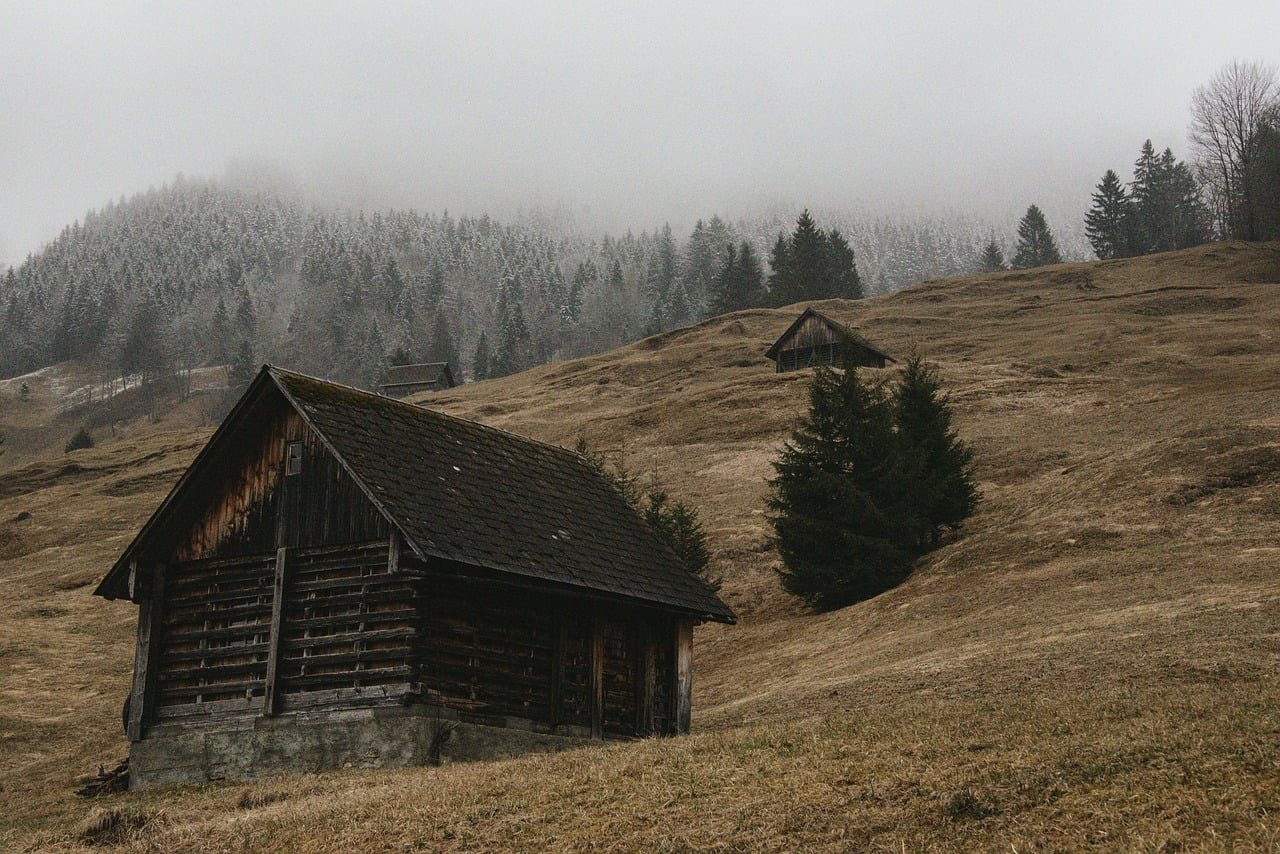
Nature in Peril: The Silent Threat in the Alps
The Swiss Confederation is reporting massive damage to its forest ecosystems. According to environmental reports, a lethal combination of lack of rainfall and intense heatwaves has compromised the biological integrity of tree species. This results in the sudden collapse of branches and full trees, posing a direct danger to hikers and residents of rural areas.
Understanding the Environmental Context
In recent years, Switzerland has seen a steady rise in average temperatures. This trend has been exacerbated by the Super Niño phenomenon (3.05°C), which has destabilized global climate patterns.
Water stress occurs when the demand for water exceeds the available amount during a certain period. In forests, this means trees cannot absorb enough moisture to maintain their cellular structure, making them brittle.
The reduction of soil water reserves and the retreat of Alpine glaciers have altered the humidity cycle essential for native species, leaving them vulnerable to pests and severe dehydration.
Structural Impact & Civil Risks
This is not merely a loss of biodiversity, but a problem of physical stability. When trees lose vigor due to water stress, the connection between branches and the trunk weakens.
Strategic Insight: For Switzerland, forest management is a pillar of national security. Forests prevent landslides and avalanches in mountainous regions, protecting critical infrastructure and villages.
With the wood becoming brittle, occasional wind gusts can trigger sudden falls, complicating safety on forest trails and urban fringes.
Looking Forward: A Path to Adaptation
While the situation is challenging, it opens the door for innovative forestry. Given the persistence of the Super Niño, it would be probable that the Swiss government implements access restrictions to certain forest zones during heat peaks.
Experts suggest that the transition toward tree species more resistant to drought could occur, which might alter the traditional Alpine landscape but ensure long-term survival. There is a hopeful effort to balance preventive pruning with natural regeneration to maintain air quality and carbon capture.
Information based on environmental reports regarding the Swiss forestry crisis. For more details, visit the original source: Imago News