


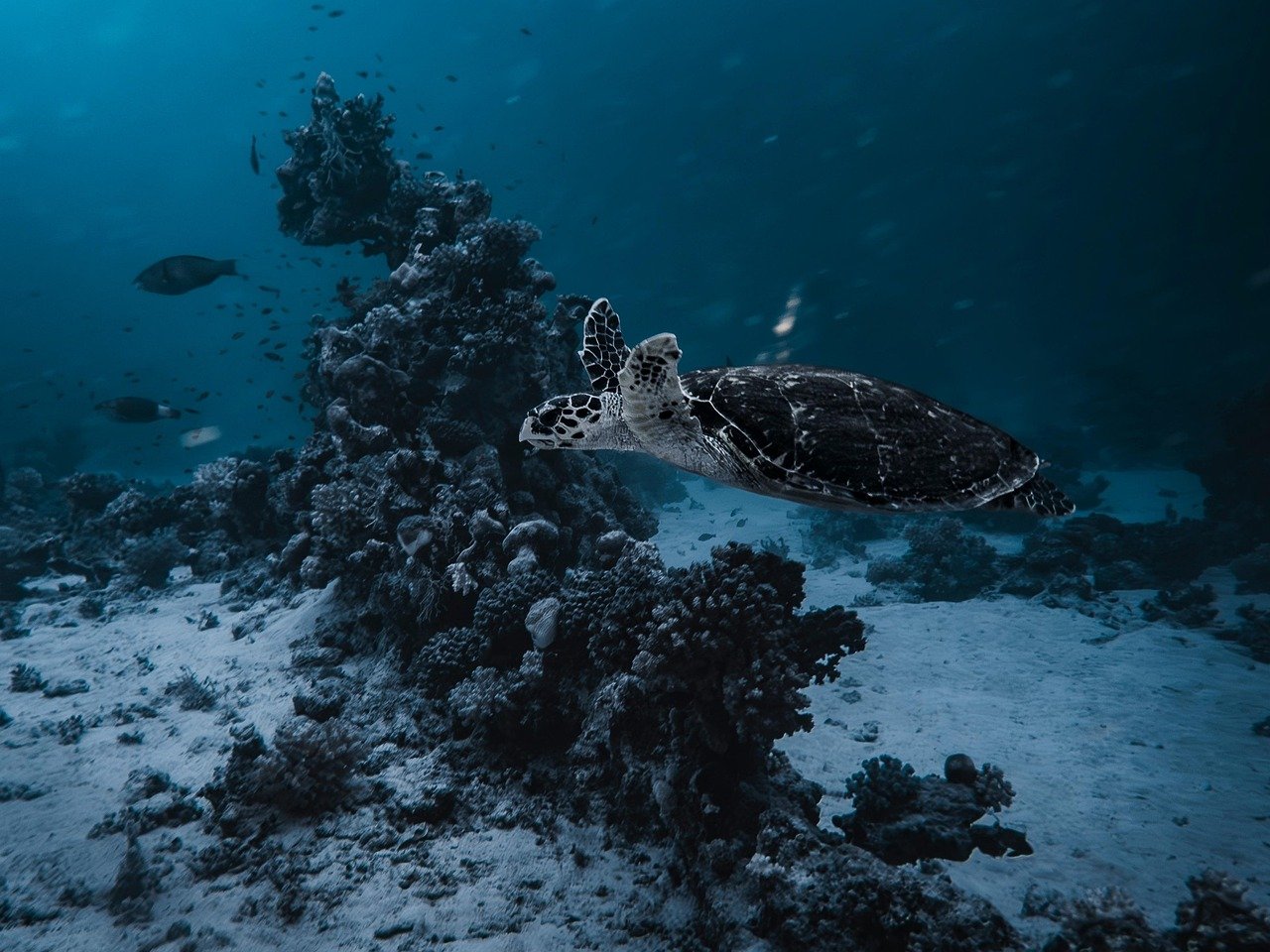
A Tropical Surprise in the Golden State
For the first time in recorded history, the coast of California has become a reproductive sanctuary for the Olive Ridley sea turtle (Lepidochelys olivacea). Between September 16 and 19, 2026, two natural nests were documented in Orange County, specifically at Surfside Beach and near the Huntington Beach pier.
Who are the Olive Ridley Turtles?
To put this in perspective for those unfamiliar with marine biology, the Olive Ridley is the smallest sea turtle species in the Pacific.
Traditionally, they reside in the warm, tropical waters of Mexico, Nicaragua, Costa Rica, and Panama. Their presence in temperate latitudes like California is unprecedented because their migration and nesting are strictly tied to specific water and sand temperatures—factors that historically made reproduction on the U.S. West Coast impossible.
The Climate Trigger
Experts from NOAA (the National Oceanic and Atmospheric Administration) and the California Department of Fish and Wildlife suggest this is not a random event. The primary driver is an exceptionally strong El Niño pattern.
What is El Niño? It is a climate pattern describing the unusual warming of surface waters in the eastern tropical Pacific Ocean, which disrupts global weather.
Combined with a marine heatwave, this warming—and the erosion of their usual southern beaches—may have forced these turtles to recalibrate their "biological GPS" to find suitable incubation temperatures further north.
A Growing Trend of Tropical Guests
The turtles aren't the only newcomers. This shift in ocean temperature has reportedly led to the appearance of other unusual species in the area, creating a temporary tropical pocket in California waters:
| Species | Observation Context |
|---|---|
| Whale Sharks | Gentle giants typically found in warmer seas. |
| Hammerhead Sharks | Tropical predators expanding their range. |
| Venomous Sea Snakes | Rare visitors from warmer Pacific currents. |
Conservation Efforts
The species is listed as threatened and is protected under the Endangered Species Act. Each of the two nests contains an average of 100 eggs. Authorities have already deployed safety fencing and ropes to prevent human interference during the incubation period, which is estimated to last between 45 and 60 days.
Protected
Looking Forward: An Uncertain Future
According to reports, the successful hatching of these eggs could be dependent on climate stability over the next two months. Strong swells caused by Pacific hurricanes might compromise the viability of the nests. Furthermore, this phenomenon could represent the start of a permanent northward migration of tropical species, which would likely force coastal governments to redesign environmental protection laws and beach management in the face of the climate crisis.