


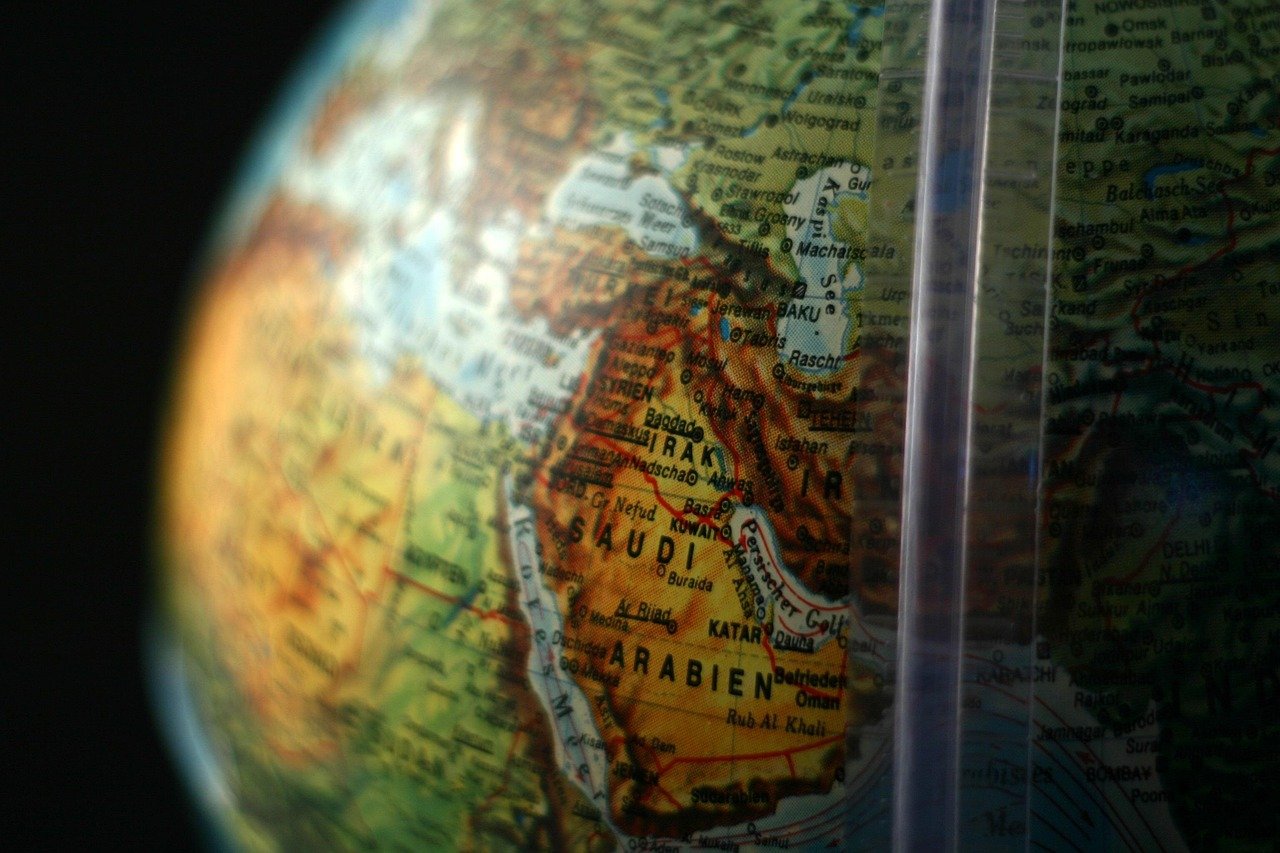
The global balance of power in Southwest Asia has reached a critical tipping point. According to reports, a massive offensive by the Houthi rebels—who are widely considered a proxy (a group acting on behalf of a larger power) for Tehran—is not only threatening the stability of Yemen but is actively jeopardizing global energy flows and the reliability of transatlantic defense pacts.
Understanding the Geopolitical Chessboard
For years, Yemen has been a battleground for a "shadow war" between Iran and Saudi Arabia. Since the Arab Spring, the Houthis have consolidated power in the north, leveraging anti-American rhetoric and Iranian military support. While the Trump administration has historically balanced massive arms sales with a desire to avoid costly ground deployments, Iran is reportedly using the Houthis as a strategic tool to squeeze global trade routes and gain leverage against Western sanctions.
Strategic Chokepoints and Human Tragedy
The current offensive has achieved a dangerous milestone: the Houthis now control the Bab al-Mandeb Strait. To put this in perspective for those unfamiliar with the geography, this strait is a narrow "chokepoint" that connects the Red Sea to the Gulf of Aden, serving as one of the most vital arteries for world trade and oil transport.
The rebels' strategic goals are clear: the capture of the oil-rich Marib province and the city of Taiz. This would allow them to not only suffocate the Yemeni government but to exert total control over crude oil exports through the Red Sea.
The violence has already spilled over into Saudi territory, with ballistic missiles striking Riyadh and systematic drone attacks targeting refineries. This instability has reportedly displaced more than 125,000 people since early September, deepening one of the 21st century's most severe humanitarian crises.
⚠️ Economic Warning
Experts suggest that hostile control of the Bab al-Mandeb could send oil prices skyrocketing above $120 USD per barrel, potentially triggering an energy crisis in the US and Europe.
The Washington Dilemma: Politics vs. Security
The heart of the diplomatic tension lies in the White House. Crown Prince Mohammed bin Salman (MBS) has formally requested direct U.S. airstrikes against Houthi positions. However, Donald Trump's response has been described as erratic; reports indicate that the president may have ordered bombing preparations only to cancel them at the last second.
| Factor | Impact on U.S. Decision |
|---|---|
| Domestic Politics | Avoidance of a new open war with Iran ahead of the November legislative elections. |
| Military Readiness | A concerning shortage of munitions in U.S. arsenals. |
| Financial Strategy | Approval of $24.3 billion in F-35 jet sales, prioritizing transactional support over operational combat. |
On the international stage, the G7 has urged Iran to stop sending weapons. Meanwhile, the UK, under Andy Burnham, has opted for limited technical support (air-to-air refueling), avoiding direct combat engagement.
Global Outlook & Future Risks
- Regional Escalation: Iran might intensify pressure on the Red Sea if it perceives the Trump administration is paralyzed by midterms.
- Energy Volatility: Total Houthi control of Marib could cause extreme crude market volatility, affecting global inflation.
- Shift in Alliances: Riyadh may reduce its strategic dependence on Washington, potentially pivoting toward powers like China or Turkey if U.S. support remains purely transactional.