


31/07/2026 15:10 - Internacionales
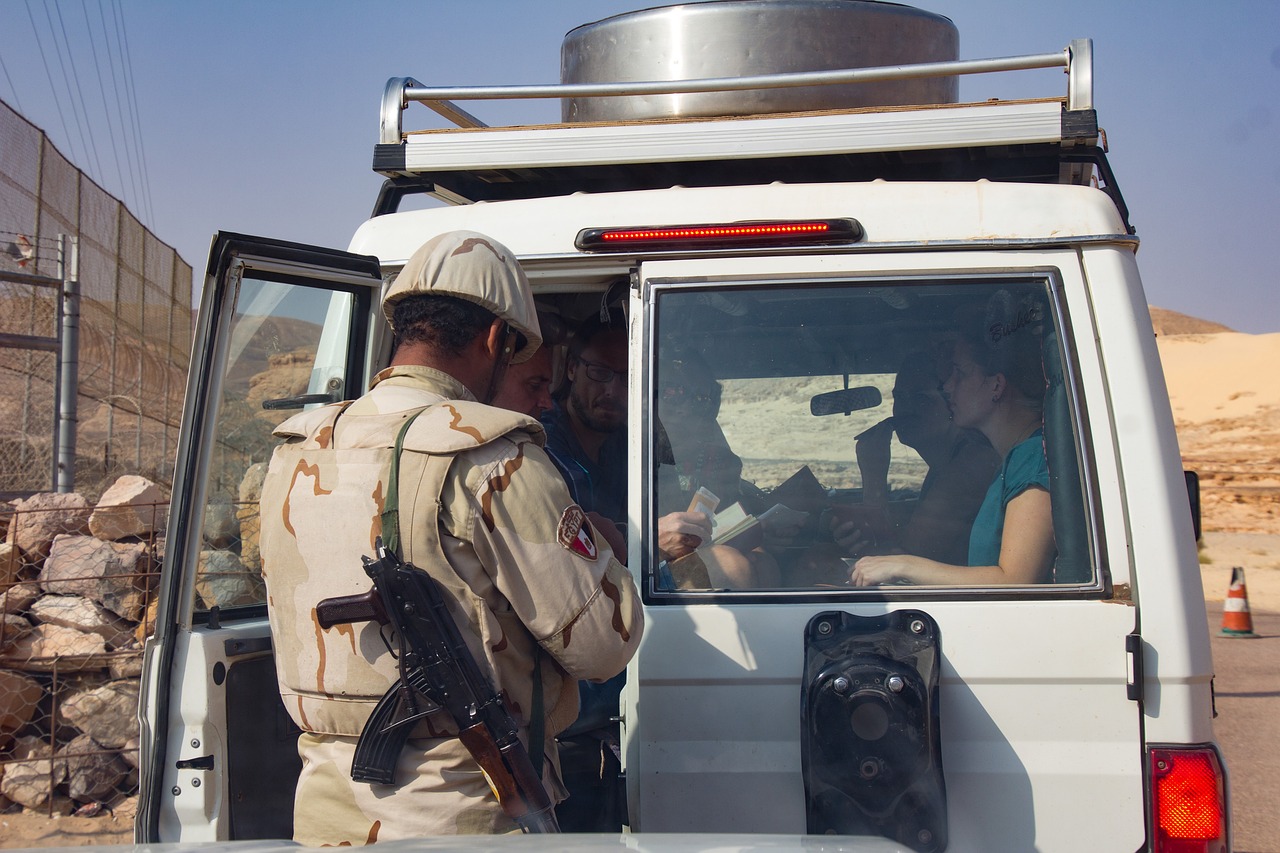
The Spanish autonomous city of Ceuta — a small enclave on the northern coast of Africa — is facing one of the most severe migration crises in recent history. After a Spanish Supreme Court ruling banned summary deportations at sea, more than 50,000 people swam from Morocco into Ceuta in less than 48 hours. Tragically, 57 bodies have been recovered from the sea, most of them young people aged 20 to 35. In response, Spanish Prime Minister Pedro Sánchez visited the area and ordered the deployment of the army to support the National Police and Civil Guard.
On July 31, 2026, Italy’s Interior Minister Matteo Piantedosi ordered the reintroduction of identity checks at ports and airports for travelers coming from Spain. This means a temporary suspension of the Schengen Agreement — the treaty that allows passport-free travel across most of the European Union. Prime Minister Giorgia Meloni’s government aims to prevent the crisis from spilling over to Italian shores. Finland has also expressed support for the measure.
Despite the gravity of the situation, international cooperation is showing results. According to Spain’s Interior Ministry, nearly 48,300 people who entered irregularly have already returned voluntarily to Morocco — at a rate of 150 repatriations per minute. This progress, achieved through dialogue and bilateral agreements between Spain and Morocco, offers a glimmer of hope for a swift normalization of the border.
While the measure creates some uncertainty, the impact on tourists and business travelers is manageable. A temporary Schengen suspension means that a flight between Spain and Italy may require passport or ID checks, adding a bit of time at airports — similar to traveling to the United Kingdom. During the pandemic, several countries applied similar controls without stopping tourism. Passengers are advised to arrive early at terminals and ports.
The European Commission has expressed support for Spain’s management, while former French Prime Minister Édouard Philippe has called for strengthening the EU’s external borders.
Sources: Infobae, La Voz and Sir Chandler.
Alfredo S. Quiroga
