


Why is this happening?
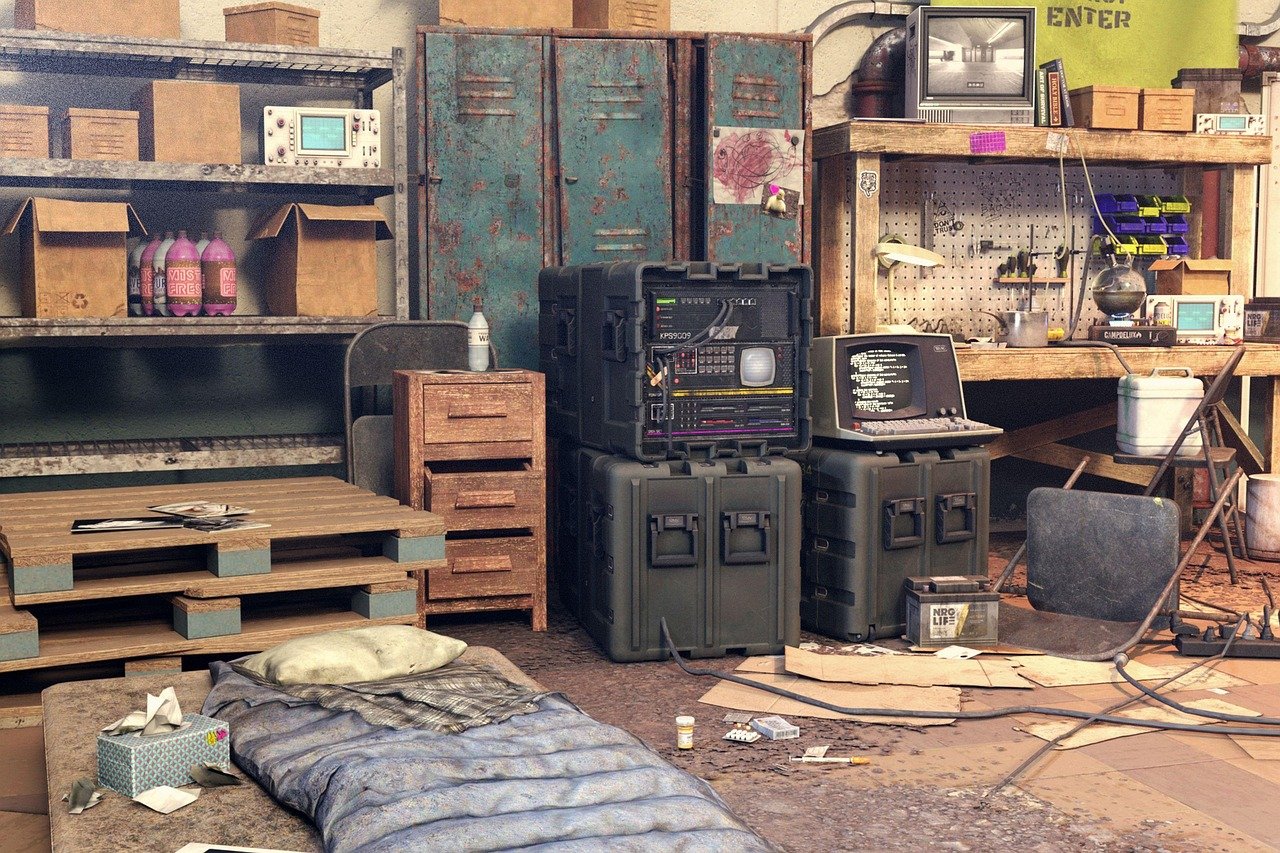
The invasion of Russia into Ukraine has shattered the long-standing sense of peace in the Baltic and Scandinavian regions. According to reports, this has forced Nordic states to transition from a historical "bunker mentality"—where shelters existed but were forgotten—to a state of modern, operational readiness.
The Map of Survival
Each nation has adapted its underground infrastructure based on its specific geopolitical needs and urban layout. This approach turns civil defense into a seamless part of daily city life.
| Country | Capacity & Infrastructure | Current Strategy |
|---|---|---|
| Finland | 50,500 shelters (serving 4.8M people) | Dual-use: Gyms and pools that can convert to shelters within 72 hours. |
| Sweden | Deep granite bunkers | Technological focus: Armored data centers and the return of mandatory military service. |
| Norway | 18,600 shelters | "Total Defense" model: A coordinated effort between the military and private companies. |
The Finnish Model
In Helsinki, security is invisible but omnipresent. From karting tracks to the Kamppi metro station, the city uses the underground for daily life. These spaces maintain active air filters and supplies, allowing an immediate transition to emergency mode if needed.
The Norwegian Gap
Unlike its neighbors, Norway stopped building shelters in 1998. Currently, key facilities in Oslo have not been renovated since 1992, highlighting the risks of having relied too heavily on a prolonged period of peace.
The Bigger Picture
For an international observer, this is like an "architectural life insurance policy." While in many regions defense is purely military, in the North, survival has become a matter of urban design: the shelter is not just a place to hide, but a space where people already live, work, and exercise.
Source: The Guardian