


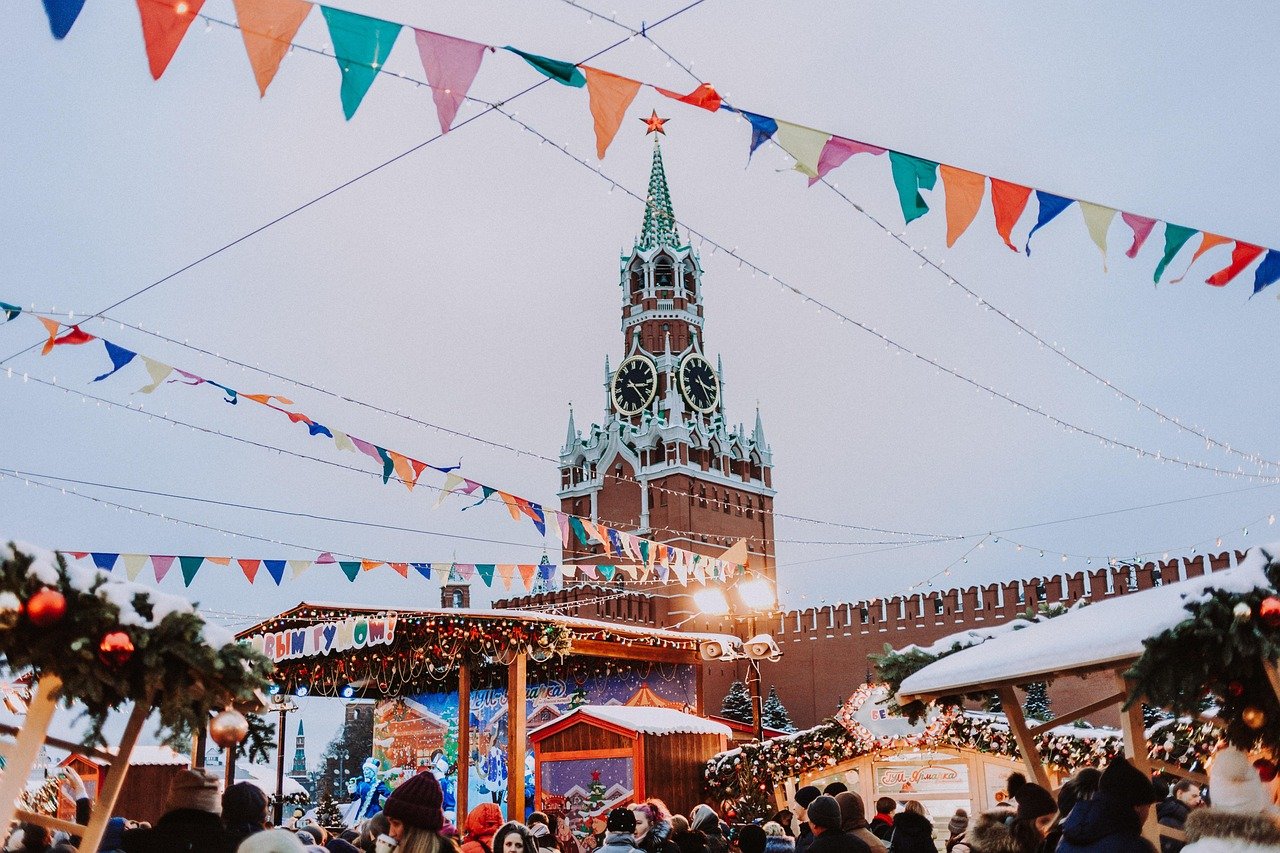
Hegemony in the Duma: The Results
According to reports from Nouvel Obs, the political landscape in Russia has seen a significant consolidation of power.
The United Russia party, the political vehicle of Vladimir Putin, reportedly obtained a constitutional majority with approximately 57% of the votes, securing a dominant 355 seats in the State Duma (the lower house of the Russian parliament). This victory was achieved in a climate where pacifist parties, such as Yábloko, were systematically excluded, and electronic voting was widely implemented.
The War Factor: Elections Under Fire
These elections were not merely a civil event but a strategic military target. Reports indicate that Ukraine launched a massive wave of between 1,100 and 1,600 drones across Russian territory. Out of these, 450 drones were specifically directed at Moscow, targeting refineries and logistics bases to highlight the vulnerabilities of the regime during a critical political window.
Political Map
- United Russia: Total control of the legislative branch.
- Opposition: Virtually non-existent or legally barred.
- European Union: Describes the result as a "varnish of democracy."
Process Data
- Turnout: Approximately 59% overall.
- Seats: 355 for United Russia.
- Cyber-warfare: Over 1,000 AI-driven DDoS attacks.
Context for International Readers
To put this in perspective, this result represents a mandate where the ruling party controls both the playing field and the referee. In a typical democratic system, the legislative branch provides checks and balances; however, with the Duma fully aligned, Putin potentially has a free hand to:
- Deepen the war economy.
- Expand the production of kamikaze drones.
- Maintain military pressure on Ukraine without internal opposition.