


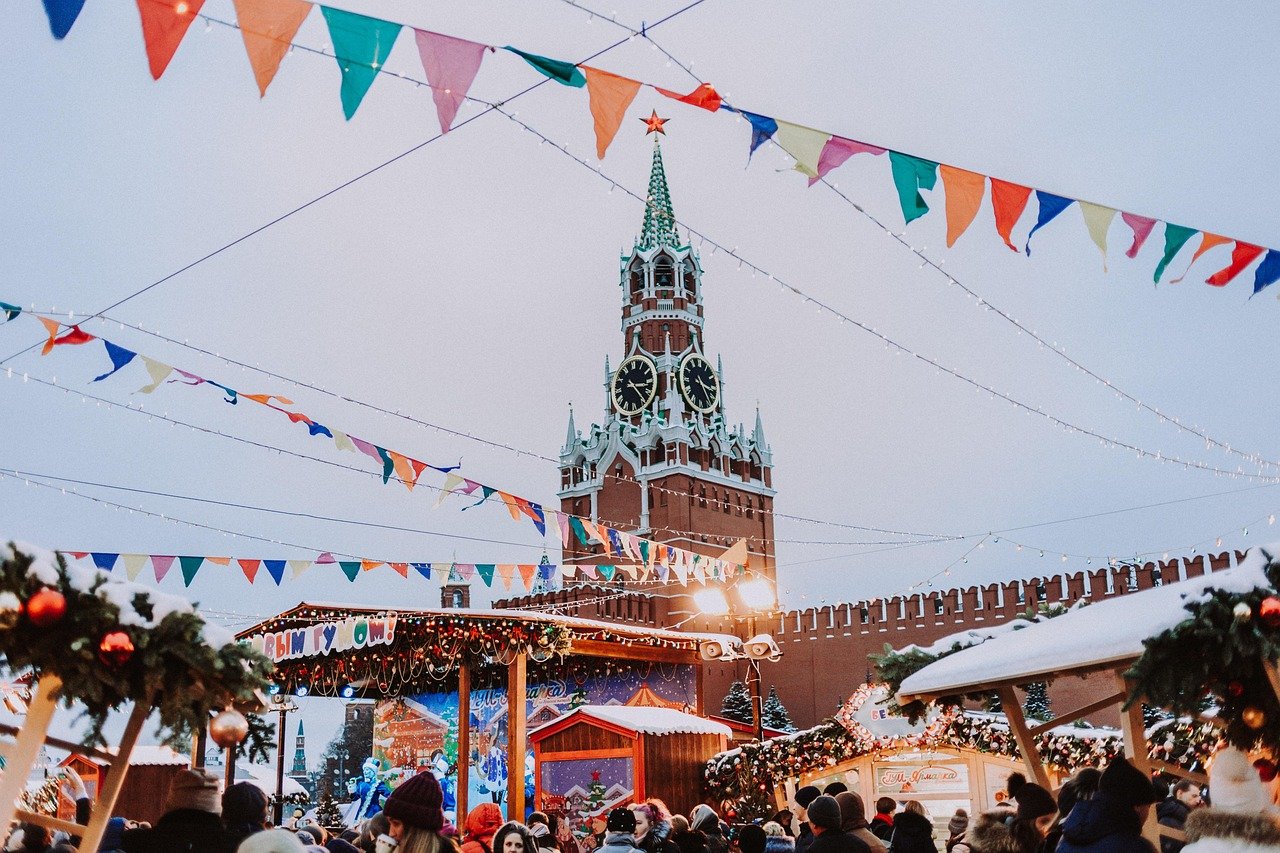
Aerial Chaos in the Capital
In a meticulously timed operation coinciding with the closing of the Russian legislative elections (held from September 18th to 20th), Ukraine reportedly deployed a massive swarm of between 1,100 and 1,600 drones across Russian territory.
According to international reports, approximately 450 of these drones were aimed directly at Moscow. The offensive successfully struck an oil refinery and several strategic logistics bases, resulting in at least 2 deaths and the evacuation of hundreds of civilians. This event marks a turning point in the conflict, bringing the war directly to the doorsteps of the Russian elite.
Political Context: The Duma Elections
To understand the impact of this attack, it is essential to know about the Duma (the lower house of the Russian Parliament). These elections were held to renew 450 seats. However, the process was marred by the exclusion of genuine opposition parties, such as the Yabloko party, and a heavy reliance on electronic voting systems.
Despite the aerial chaos, preliminary results indicate a dominant victory for United Russia, the party closely aligned with Vladimir Putin, securing approximately 57.5% of the vote.
Economic Pressure
Beyond the drones, the Kremlin is facing a financial squeeze. The Graham Law in the United States has imposed 100% tariffs on Russian energy exports, targeting the primary source of funding for the Russian state.
| Key Metric | Reported Data |
|---|---|
| Total Drones Launched | 1,100 - 1,600 units |
| Drones targeting Moscow | ~450 units |
| United Russia Vote Share | ~57.5% |
| AI-Coordinated DDoS Attacks | 1,000+ incidents |
The Psychological Game
Military analysts suggest that President Zelensky is not pursuing a territorial victory with these strikes, but rather a psychological one. By penetrating Moscow's air defenses during a national election, Ukraine sends a powerful message: no place in Russia is safe, and the Kremlin's perceived invincibility is a facade.
This coordinated strike, combined with AI-driven cyberattacks, represents a new era of hybrid warfare designed to shake the confidence of the Russian citizenry.