


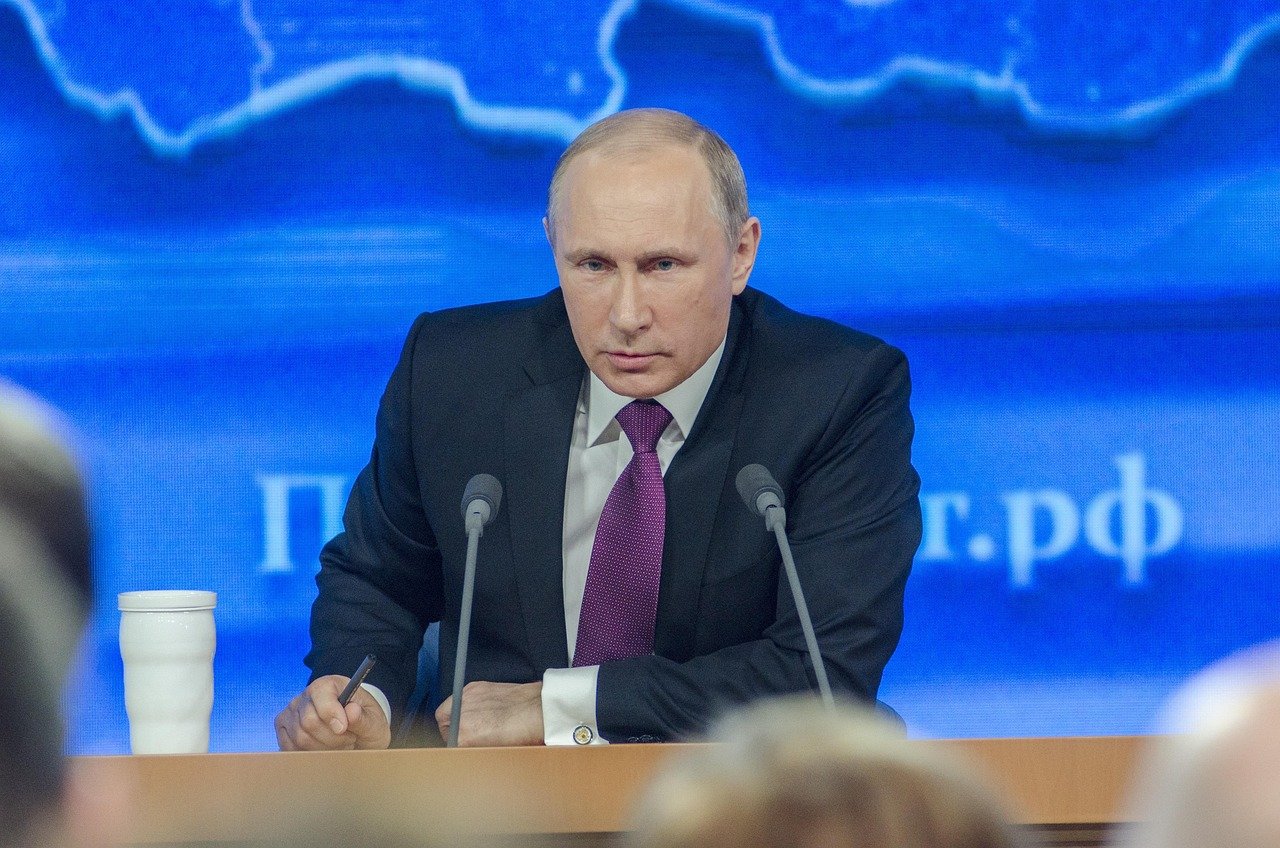
Power Consolidation Under Fire
According to reports, Vladimir Putin's latest victory transcends simple ballot numbers; it serves as a strategic demonstration of internal control during a period of significant external vulnerability.
Preliminary Election Results
| Political Party | Vote Share (%) | Impact / Status |
|---|---|---|
| United Russia | 57.5% | Qualified majority (Capable of Constitutional changes) |
| Communists | 14.0% | Permitted opposition |
| LDPR | 8.7% | Nationalists |
| Yabloko | Excluded | Genuine opposition banned from running |
The Security Factor: A Technological Battlefield
Unlike previous elections, this voting day was marked by intense warfare. Sources indicate that Ukraine launched over 1,000 drones, with approximately 450 either impacting or being intercepted within Moscow, causing damage to key refineries.
Simultaneously, the digital infrastructure of the electronic voting system was targeted by more than 1,000 coordinated DDoS attacks (Distributed Denial of Service), which were reportedly enhanced by Artificial Intelligence to bypass security protocols.
What does this mean for the world?
For international observers, this scenario reflects a government renewing its mandate by blocking any real alternative and shielding its power while the nation remains in active conflict. The absolute consolidation of United Russia suggests that an internal diplomatic shift facilitating an end to the war in Ukraine is unlikely in the short term.
Data Source: Le Parisien